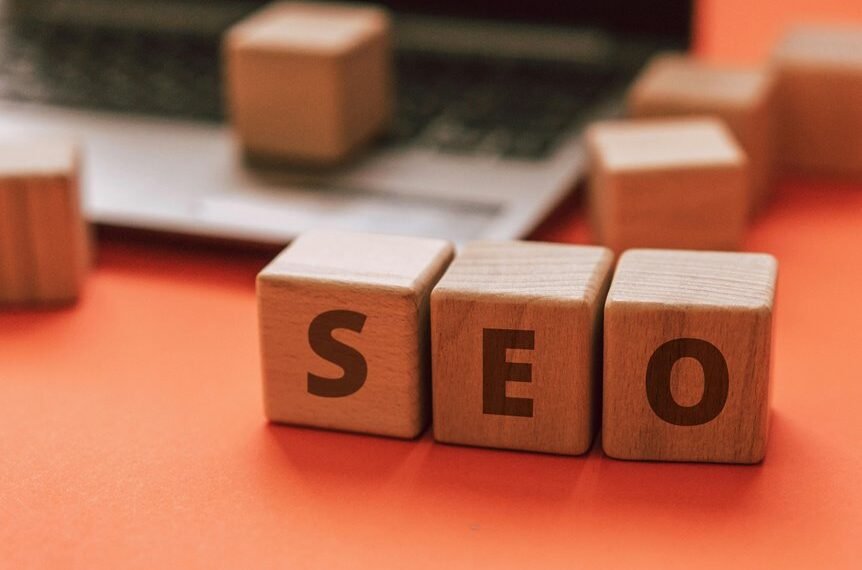

Organic growth, as illustrated by the figure 911217314, hinges on the implementation of robust on-page SEO strategies. Effective optimization of webpage elements can significantly enhance visibility on search engines. This process not only elevates search rankings but also contributes to a more engaging user experience. Consequently, businesses can expect an uptick in organic traffic. Understanding the intricate components of on-page SEO is essential for those aiming to harness its full potential. What are the critical elements that drive this success?
What Is On-Page SEO?
On-page SEO, often regarded as the foundation of a successful digital marketing strategy, encompasses the various elements within a webpage that can be optimized to enhance its visibility and ranking on search engines.
Effective on-page strategies leverage SEO techniques such as keyword optimization, meta tags, and content structure.
These elements not only improve search engine rankings but also empower users to navigate information freely and effectively.
Key On-Page SEO Factors to Improve Search Rankings
Effective on-page SEO hinges on several key factors that significantly influence search rankings. Proper keyword placement within titles, headers, and body text enhances visibility, while well-structured meta tags provide essential information to search engines.
Emphasizing these elements allows websites to resonate with both users and search algorithms, fostering an environment where organic growth can thrive. Ultimately, this grants freedom through increased online presence and accessibility.
Optimizing Content for On-Page SEO Success
A strategic approach to content optimization is crucial for achieving on-page SEO success. Ensuring content relevance by aligning topics with user intent increases engagement and search visibility.
Additionally, maintaining appropriate keyword density is vital; overusing keywords can harm readability while underutilizing them may miss opportunities for ranking.
Thus, a balanced optimization strategy fosters both user satisfaction and search engine favorability, leading to overall success.
How to Measure Your On-Page SEO Success?
How can one accurately assess the effectiveness of on-page SEO strategies?
Utilizing SEO Analytics is essential for tracking performance metrics such as organic traffic, bounce rates, and keyword rankings.
By examining these metrics, one can identify strengths and weaknesses in their approach.
This data-driven analysis empowers individuals to refine their strategies, ultimately fostering greater online visibility and achieving the desired freedom in their digital presence.
Conclusion
In conclusion, the journey toward organic growth through on-page SEO is a carefully crafted strategy, where every detail matters. As businesses optimize their content, meta tags, and keyword placements, they stand on the precipice of increased visibility and user engagement. However, the true test lies in measuring success—will the efforts yield the desired results? As they dive deeper into analytics, the potential for breakthrough growth looms enticingly ahead, waiting to be unlocked by those who dare to refine their approach.


 By
By