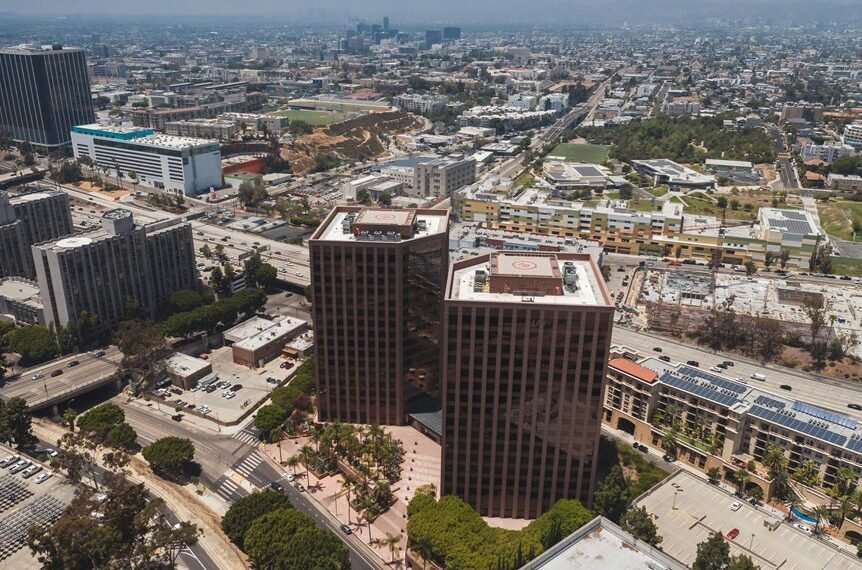

Smart Digital Architecture 960654894 significantly influences urban expansion by integrating advanced technologies into city planning. This approach promotes sustainability and enhances data visualization, enabling more informed decision-making. City planners can effectively tackle issues like congestion and resource management. Furthermore, it prioritizes user experience and community engagement. Understanding how these elements work together reveals potential pathways for future urban development. The implications of this integration warrant closer examination.
Understanding Smart Digital Architecture 960654894: Key Features and Benefits
As organizations increasingly seek to leverage technology for growth, understanding Smart Digital Architecture 960654894 becomes essential.
This framework enhances data visualization, allowing for clearer insights and informed decision-making. Additionally, it prioritizes user experience, ensuring that interactions with digital platforms are intuitive and engaging.
How Does Smart Digital Architecture Enhance Urban Sustainability?
While urban areas grapple with challenges such as population growth and environmental degradation, Smart Digital Architecture offers innovative solutions to enhance sustainability.
Integrating Technology: Smart Systems in Urban Expansion
Urban expansion necessitates the integration of advanced technologies to address the complexities of growing populations and urban landscapes.
Smart transportation systems enhance urban mobility, facilitating efficient movement and reducing congestion. By employing data-driven solutions, cities can optimize transit routes and improve accessibility.
This technological integration not only promotes sustainability but also fosters a sense of freedom for residents as they navigate increasingly dense urban environments.
Real-World Examples of Smart Digital Architecture in Action
By harnessing innovative technologies, cities around the world are showcasing the potential of smart digital architecture in practical applications.
Examples include Barcelona’s integrated digital infrastructure, which enhances public transportation and energy efficiency, and Singapore’s smart city initiatives that utilize data analytics for urban planning.
These advancements not only improve urban living but also empower citizens, fostering a greater sense of freedom within smart cities.
Conclusion
In conclusion, Smart Digital Architecture 960654894 emerges as a transformative force in urban expansion, intertwining technology and sustainability. As cities face growing challenges, this architecture coincides with innovative solutions, fostering community engagement and enhancing user experiences. By seamlessly integrating smart systems, it not only addresses contemporary issues like congestion and resource management but also paves the way for adaptive urban planning. Ultimately, it stands as a beacon for future generations, illustrating the potential of intelligent, sustainable urban environments.


 By
By