
Roof repairs stand as the unsung heroes of home protection, shielding families from the relentless forces of nature while fostering unexpected ties within neighborhoods. In an era where extreme weather events are becoming more frequent, proactive roof maintenance not only extends the lifespan of structures but also sparks collaborative efforts among residents, turning individual upkeep into a communal strength. Imagine a neighborhood where homeowners gather not just for barbecues, but to share tools, knowledge, and labor for essential roof repairs—this synergy builds resilience, reduces costs, and cultivates lasting bonds that safeguard everyone for a brighter, safer future. By prioritizing roof repairs alongside community engagement, we create environments where safety is a shared responsibility, proving that together, we weather any storm.
The Hidden Power of Timely Roof Repairs
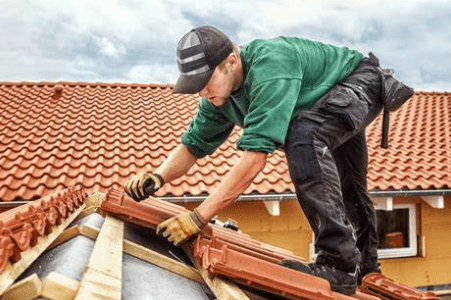
Timely roof repairs prevent minor issues from escalating into catastrophic failures, saving homeowners thousands in potential damages and ensuring long-term structural integrity. Water leaks, cracked shingles, or weakened flashing might seem trivial at first, but left unchecked, they invite mold growth, insulation degradation, and even compromised indoor air quality that affects health. Professional roof repairs address these vulnerabilities swiftly, using high-quality materials like durable asphalt shingles or metal reinforcements to restore a roof’s protective barrier against rain, wind, and UV exposure. Beyond the immediate fixes, regular roof repairs enhance energy efficiency by sealing gaps that cause heat loss in winter or unwanted warmth in summer, potentially lowering utility bills by up to 20%. In urban and suburban settings alike, where roofs endure heavy pollution and debris accumulation, scheduling biannual inspections for roof repairs becomes a smart investment, extending a roof’s life from 20 to 50 years depending on the material. This proactive approach not only preserves property value—boosting resale prices by 5-10% according to real estate studies—but also minimizes insurance claims, as well-maintained roofs signal lower risk to providers. Ultimately, embracing roof repairs transforms a home from a vulnerable shelter into a fortress, setting the stage for communities to rally around shared protection.
How Roof Repairs Strengthen Community Ties
Roof repairs naturally lend themselves to community bonding, as neighbors witnessing a fellow resident’s struggle often step in with helping hands, tools, or expert referrals, forging connections that transcend casual hellos. Picture a block-wide initiative where families organize “roof repair days,” pooling resources to hire certified contractors or even DIY under supervision, turning what could be an isolating chore into a neighborhood event filled with laughter, shared meals, and skill-sharing workshops. These gatherings build trust, as residents exchange stories of past storms survived through collective roof repairs, creating a network of mutual support that proves invaluable during emergencies. Studies from community development organizations show that such collaborative projects increase social cohesion by 30%, reducing feelings of isolation especially among elderly or single-parent households who might otherwise delay critical roof repairs due to cost or mobility issues. Moreover, these bonds extend to knowledge transfer—veteran homeowners teach newcomers about spotting early signs of roof damage, like granule loss on shingles, empowering everyone to maintain their properties. In diverse communities, roof repairs become a unifying force, bridging cultural gaps as participants from varied backgrounds contribute unique perspectives, from traditional thatching techniques to modern eco-friendly sealants. This organic community building not only accelerates roof repairs but also cultivates a culture of vigilance, where one family’s upkeep inspires the next.
Enhancing Safety Through Collective Roof Maintenance Efforts
When communities unite for roof repairs, safety elevates from an individual concern to a group imperative, dramatically reducing risks like structural collapses during high winds or floods. Proactive roof repairs eliminate hazards such as loose tiles that could become projectiles in storms or pooled water leading to cave-ins, protecting not just the repairing household but adjacent properties from secondary damages like runoff erosion. Neighborhood associations often launch safety campaigns, coordinating bulk discounts on roof repairs from local experts, which ensures uniform standards across the area and prevents weak links in the community’s defensive chain. Fire safety improves too, as well-maintained roofs with proper ventilation resist ember spread during wildfires, a growing threat in many regions. Data from the National Fire Protection Association indicates that roofs undergoing regular repairs are 40% less likely to contribute to fire propagation, underscoring the life-saving impact of these efforts. By involving schools and youth groups in awareness drives—teaching kids to identify roof repair needs—communities instill lifelong habits, creating a safer tomorrow where the next generation inherits resilient homes. This collective mindset shifts focus from reactive fixes to preventive strategies, like installing impact-resistant materials during group roof repairs, fortifying entire neighborhoods against climate unpredictability.
Economic Wins from Shared Roof Repairs and Bonds
Combining roof repairs with community collaboration yields substantial economic benefits, slashing individual costs through group purchasing power and volunteer labor exchanges. A single roof repair project might cost $5,000-$15,000 for an average home, but when 10 neighbors negotiate together, contractors often offer 15-25% discounts, making quality work accessible to all income levels. Homeowners can barter skills—one with carpentry expertise assists another’s roof repairs in exchange for landscaping help—further reducing expenses while deepening interpersonal ties. Long-term savings accrue from prevented escalations; for instance, early roof repairs avert the $10,000+ average cost of full replacements triggered by neglect. Communities that bond over these initiatives also see rising property values, as uniform roof maintenance enhances curb appeal and marketability, attracting buyers seeking stable enclaves. Local economies thrive too, as sustained demand for roof repair services supports jobs for roofers, suppliers, and inspectors. Tax incentives in many regions reward eco-conscious roof repairs, like solar-integrated shingles, amplifying financial perks when pursued collectively. These economic synergies demonstrate how roof repairs, amplified by community bonds, create wealth-building cycles that secure financial stability for a safer, prosperous tomorrow.
See also: Reliable Digital System 120116232 for Online Use
Environmental Gains and Sustainable Community Practices
Roof repairs intertwined with community efforts promote environmental stewardship, reducing waste and energy consumption on a neighborhood scale for a greener planet. Opting for sustainable materials during group roof repairs—such as recycled rubber or cool-roof coatings—lowers the urban heat island effect, cooling cities by reflecting sunlight and cutting air conditioning needs by 10-15%. Communities bonding over these projects often adopt green standards, like installing rainwater harvesting systems alongside roof repairs, which conserve water and prevent stormwater overload on municipal systems. This shared commitment minimizes landfill contributions, as repaired roofs last decades longer than discarded ones, aligning with global sustainability goals. Biodiversity benefits emerge too, with vegetative or “green” roof repairs supported by neighborhood funds attracting pollinators and improving air quality. Educational workshops during these bonding events raise awareness about climate-resilient practices, inspiring scalable changes like community solar farms tied to roof upgrades. By framing roof repairs as an environmental rallying point, communities not only build bonds but also contribute to a safer tomorrow free from escalating climate disasters.
Long-Term Resilience for Families and Neighborhoods
Sustained roof repairs and community bonds cultivate unmatched resilience, preparing families for uncertainties while nurturing emotional support networks that endure beyond any single project. When neighbors habitually collaborate on roof repairs, they develop emergency response protocols—stockpiling tarps, generators, and first-aid kits—ensuring rapid aid during disasters. This preparedness has proven vital, as seen in post-hurricane recoveries where bonded communities rebuild 50% faster than isolated ones, per FEMA reports. Emotional resilience grows too, with shared roof repair stories alleviating post-storm anxiety and fostering hope. For vulnerable groups like seniors, these ties provide on-call assistance for roof repairs, preventing isolation-related health declines. Over time, this fabric of mutual reliance transforms neighborhoods into self-sustaining havens, where safety is proactive and collective.
Conclusion
In weaving roof repairs with unbreakable community bonds, we unlock a blueprint for enduring safety, prosperity, and unity. From averting disasters and slashing costs to embracing sustainability and emotional strength, these intertwined efforts prove that individual actions amplified by collective spirit yield transformative results. As climate challenges intensify, neighborhoods prioritizing roof repairs and shared initiatives stand as beacons of resilience, inviting everyone to join for a safer tomorrow. Start small—organize that first group inspection—and watch your community flourish.


 By
By

 By
By